
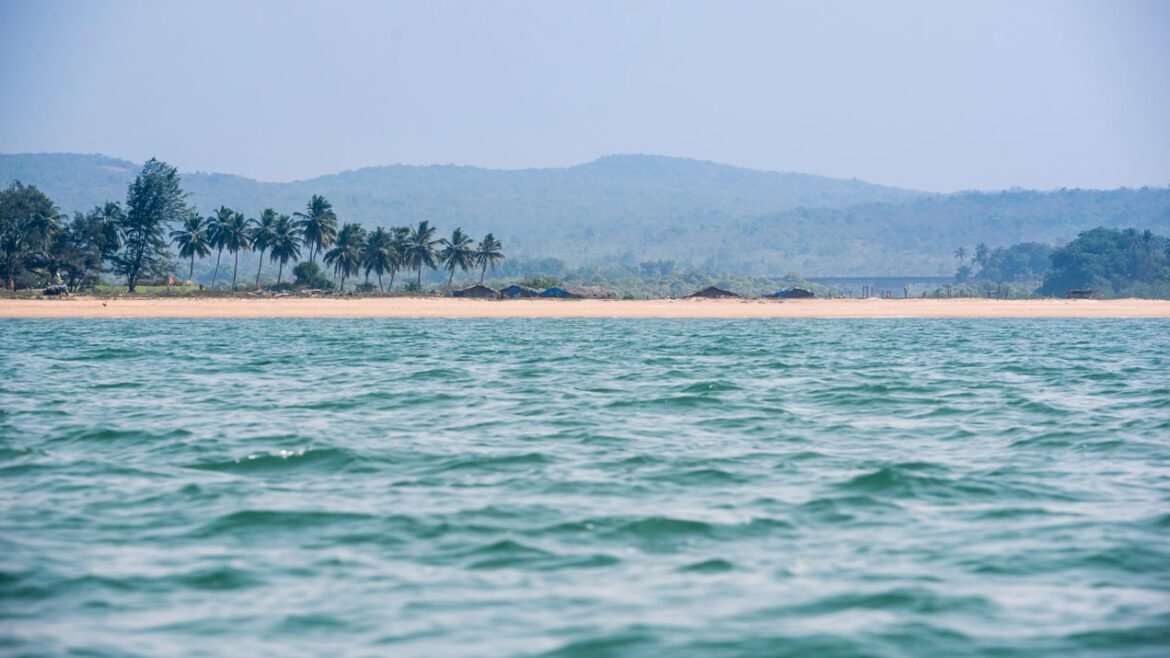
South India, with its diverse landscapes and geographical features, boasts a climate as varied as the region itself. The southern part of the Indian subcontinent is characterized by lush greenery, rolling hills, tropical coastlines, and vibrant cities. The climate in South India plays a pivotal role in shaping the region’s culture, cuisine, and lifestyle. In this blog, we will take a closer look at the different climatic zones that define South India.
1. The Tropical Coastlines:
South India is renowned for its breathtaking tropical coastlines along the Arabian Sea and the Bay of Bengal. States like Kerala, Tamil Nadu, Karnataka, and Andhra Pradesh feature a coastal tropical climate, which is synonymous with high temperatures, humidity, and heavy rainfall. The monsoon season, which typically lasts from June to September, rejuvenates the land and supports the cultivation of spices, tea, and coffee. It’s during this time that the region comes alive with lush green landscapes.
2. The Arid Plateaus:
In contrast to the lush coastal regions, parts of South India, especially the interior Deccan Plateau, have a more arid and semi-arid climate. The states of Karnataka and parts of Andhra Pradesh experience hot and dry weather conditions. Summers can be scorching, with temperatures often exceeding 40°C. The monsoon season is crucial for these regions, as it provides much-needed relief from the heat and sustains agriculture.
3. The Cool Hill Stations:
The Western and Eastern Ghats are home to several picturesque hill stations that offer a pleasant escape from the tropical heat. Places like Ooty, Munnar, Kodaikanal, Coorg, and Yercaud have a temperate climate with cool summers and chilly winters. These hill stations are known for their lush tea and coffee plantations and are popular destinations for nature enthusiasts.
4. The Unique Climate of Pondicherry:
Pondicherry, located along the southeastern coast of India, experiences a unique blend of tropical and semi-arid climates. While it has a tropical climate like its neighbors, it also has a distinct dry season from October to February. The presence of the Bay of Bengal has a moderating effect on temperatures, making it a pleasant destination throughout the year.
5. The Influence of the Monsoon:
The monsoon is a central feature of South India’s climate. The southwest monsoon, which arrives in June, brings heavy rainfall to the coastal areas, while the northeast monsoon, from October to December, affects the eastern coastal regions. The monsoon is not just about rain but also plays a vital role in agriculture, as it supports the cultivation of rice, spices, and various crops.
6. The Cultural Significance:
The climate in South India has profound cultural significance. Festivals like Pongal and Onam celebrate the harvest season, reflecting the region’s strong agricultural ties. The monsoon is also a time of religious festivals, and the weather plays a role in the timing of various cultural events and ceremonies.
South India’s climate is as diverse as its landscapes, with each region offering its own unique weather patterns and experiences. Whether you’re drawn to the tropical beaches, the lush hill stations, or the arid plateaus, South India has something to offer for every traveler, making it a captivating destination for those eager to explore the rich tapestry of Indian culture and geography.
| Month | Tamil Nadu (east coast) | Kerala & Goa (west coast) | Hill stations (Munnar, Ooty, Kodaikanal) | Touring verdict |
|---|---|---|---|---|
| January | Dry, warm, pleasant | Dry, warm | Cool days, nights below 15°C | Best |
| February | Dry, warm | Dry, warm | Cool nights | Best |
| March | Warming up | Warm, humid | Mild | Good |
| April | Hot | Hot, pre-monsoon showers | Pleasant escape from the heat | Hot on the plains |
| May | Very hot, can top 40°C | Hot, humid | Pleasant | Hottest month |
| June | Hot, mostly dry | Southwest monsoon, heavy rain | Wet | Kerala wet |
| July | Hot, mostly dry | Monsoon, very green | Wet, misty | Kerala wet |
| August | Cooling, mostly dry | Monsoon easing | Wet, misty | Good for Tamil Nadu |
| September | Warm, mostly dry | Monsoon ends | Clearing | Good |
| October | Northeast monsoon begins | Mostly dry | Pleasant | Good, some rain |
| November | Rainiest month, sporadic heavy showers | Dry | Cool | Mixed in Tamil Nadu |
| December | Cyclone risk to about Dec 20, then dry | Dry, warm | Cool nights | Late December best |
Best time to tour South India
For most travellers, October to March is the best time to tour South India. Days are warm and dry, the hill stations are fresh rather than cold, and Kerala’s backwaters are at their greenest after the monsoon. January and February are the most reliable months, when every region on a classic route is at its best.
There are good reasons to travel either side of peak season, too:
- August and September are quieter and greener. Tamil Nadu stays mostly dry while the west coast’s monsoon eases, which makes these good months for the temple towns.
- October and early November are pleasant, with occasional showers on the east coast as the northeast monsoon begins.
- Late December is dry and festive once the cyclone season ends, around the 20th.
- April to June is best avoided on the plains, where temperatures can pass 40°C. It suits a hill-station escape only.
We plan our small-group and private departures around these seasons. Journey Through the South is our two-week tour from Chennai to Cochin, through Tamil Nadu’s great temples, Munnar’s tea estates and the Kerala backwaters. With three weeks, the Great Grand Tour continues to a tiger reserve, Mysore, the cave temples of Badami and the beaches of Goa. Both run from January to March and from August to December, with a maximum of 10 guests, or privately for your own party.
Planning your own route? Our South India itinerary guide sets out day-by-day plans for one, two and three weeks.